The Neuroscience of Vinyasa Yoga: How Flow States Rewire Your Brain
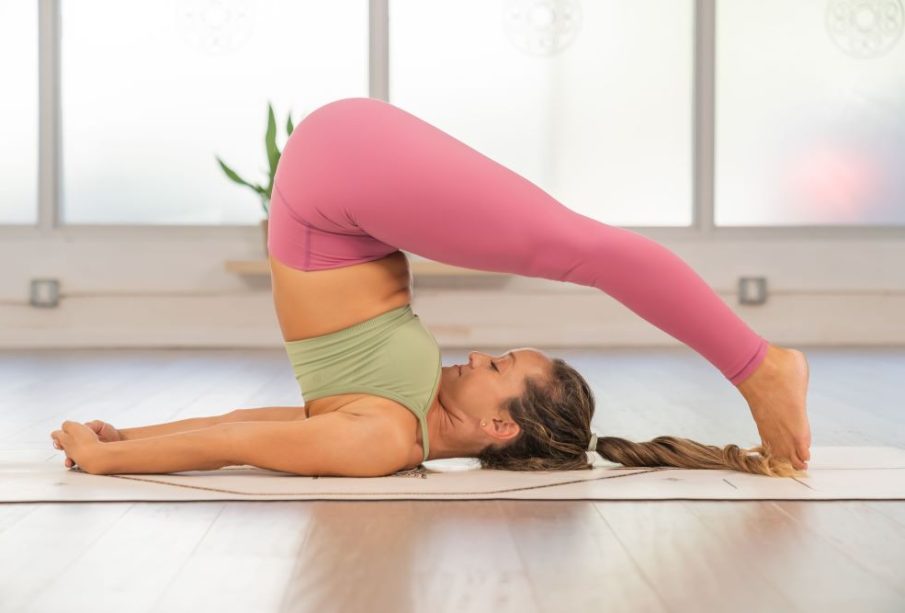
Beyond Fitness: Vinyasa Yoga and the Brain
While many people approach vinyasa yoga for its physical benefits—flexibility, strength, endurance—few realise the profound neurological changes it fosters. Modern neuroscience is beginning to unveil how the breath-synchronised movement characteristic of Vinyasa Yoga induces flow states that literally rewire the brain, enhancing mental clarity, emotional stability, creativity, and resilience.
Far from being just a physical workout, Vinyasa is a potent tool for shaping the brain’s structure and function. By understanding the intersection between dynamic yoga practice and neuroplasticity, practitioners can harness Vinyasa not only for bodily health but for cognitive transformation.
What Are Flow States?
Coined by psychologist Mihály Csíkszentmihályi, a “flow state” describes a mental condition where one becomes completely immersed in an activity, losing the sense of time, self-consciousness, and external worries. It is often characterised by:
- Effortless focus
- Deep enjoyment
- Heightened performance
- Reduced sense of self
In Vinyasa Yoga, when breath, movement, and awareness align seamlessly, practitioners enter this optimal psychological state. Each posture leads to the next with a natural, fluid rhythm, mirroring the brain’s ideal operating mode.
How Vinyasa Yoga Triggers Flow States
Synchronisation of Breath and Movement
Breath-synchronised movement demands full presence. This synchronisation creates rhythmic patterns in brainwaves, shifting the mind from beta (alert but often stressed) waves to alpha and theta waves, associated with creativity, intuition, and relaxed alertness.
Activation of the Prefrontal Cortex
The prefrontal cortex is responsible for planning, self-monitoring, and executive function. During flow states induced by Vinyasa, this area of the brain partially deactivates—a phenomenon called “transient hypofrontality.” This temporary quieting leads to:
- Reduced inner critic
- Decreased fear responses
- Enhanced creative thinking
Thus, Vinyasa practice can silence self-doubt and foster more fluid, spontaneous engagement with tasks both on and off the mat.
Engagement of the Default Mode Network (DMN)
The DMN is the brain network active during rest and mind-wandering. However, excessive DMN activity is associated with rumination and anxiety. Flow states quiet the DMN, promoting mental clarity and present-moment awareness—both outcomes that Vinyasa practitioners often report after a strong practice.
The Brain Chemicals Released During Vinyasa Flow
Practising Vinyasa Yoga stimulates the release of several neurochemicals that enhance mood and performance:
- Dopamine: Associated with motivation, pleasure, and reward.
- Endorphins: Natural painkillers that create a feeling of bliss.
- Anandamide: Known as the “bliss molecule,” it reduces anxiety and promotes happiness.
- Serotonin: Regulates mood, appetite, and sleep, contributing to an overall sense of wellbeing.
The orchestration of these chemicals during flow results in the deep sense of satisfaction and calm many practitioners experience after a Vinyasa session.
Neuroplasticity: Rewiring the Brain through Practice
What Is Neuroplasticity?
Neuroplasticity refers to the brain’s ability to form new neural connections throughout life. It is how we learn new skills, adapt to change, and recover from injuries. Regularly engaging in activities that challenge the brain while providing positive feedback—like Vinyasa Yoga—enhances neuroplasticity.
Building Resilient Neural Pathways
Each time you move mindfully through a Vinyasa sequence, maintaining focus and synchrony with breath, you are strengthening neural pathways associated with attention, emotional regulation, and physical coordination. Over time, this practice:
- Reduces default stress responses
- Enhances mental flexibility
- Strengthens body-mind communication
Thus, the benefits of Vinyasa are cumulative, compounding over weeks, months, and years.
Practical Approaches to Maximise Flow States in Vinyasa Yoga
Choose an Appropriate Challenge Level
Flow states occur at the intersection of skill and challenge. If the practice is too easy, boredom ensues; too difficult, and frustration arises. Select sequences that push your limits just slightly beyond your comfort zone to stay fully engaged.
Prioritise Breath over Complexity
It is easy to get caught up in mastering advanced poses. However, forcing complex movements without breath awareness pulls the brain out of flow. Let breath lead the movement, even if that means simplifying your sequence.
Minimise External Distractions
Practise in an environment that supports focus—quiet, uncluttered, and free from interruptions. Silence mobile devices, dim lights if necessary, and set a clear intention for your session.
Practise Consistency Over Intensity
Daily short practices (even 15-20 minutes) help cultivate a consistent flow experience better than sporadic intense sessions. The brain thrives on repetition for building strong neural circuits.
How Vinyasa Yoga Enhances Cognitive Performance Beyond the Mat
- Improved Working Memory: Mindful breath-movement synchrony strengthens working memory capacity, helping professionals and students manage complex information more effectively.
- Enhanced Emotional Intelligence: Flow practice improves self-awareness and empathy by training practitioners to observe internal sensations and emotions without judgment.
- Greater Stress Tolerance: Regular activation of the parasympathetic nervous system through Vinyasa increases baseline resilience to everyday stressors.
Stories from the Mat: Real-Life Transformations
Many practitioners share how consistent Vinyasa practice led to profound mental shifts. Entrepreneurs report enhanced creativity and sharper problem-solving abilities. Healthcare workers describe finding calm amidst high-stress environments. Students mention improved concentration and emotional balance during exam periods.
Scientific research aligns with these anecdotes. A 2023 study published in Frontiers in Human Neuroscience demonstrated that yoga practitioners had increased grey matter density in brain regions associated with emotion regulation, self-control, and attention compared to non-practitioners.
Institutions like Yoga Edition recognise these cognitive benefits and craft Vinyasa classes designed to tap into the mental and neurological advantages of regular practice.
Conclusion: Flowing Towards a Sharper, Happier Mind
Vinyasa yoga is more than an elegant sequence of poses; it is a profound practice of training the brain towards resilience, focus, and inner peace. Each breath-guided movement strengthens not just muscles and joints but also the very fabric of neural pathways that shape perception, emotion, and behaviour.
By stepping onto the mat with mindful intention, practitioners unlock the incredible potential of their own minds, creating lives of greater clarity, creativity, and contentment—one flow at a time.