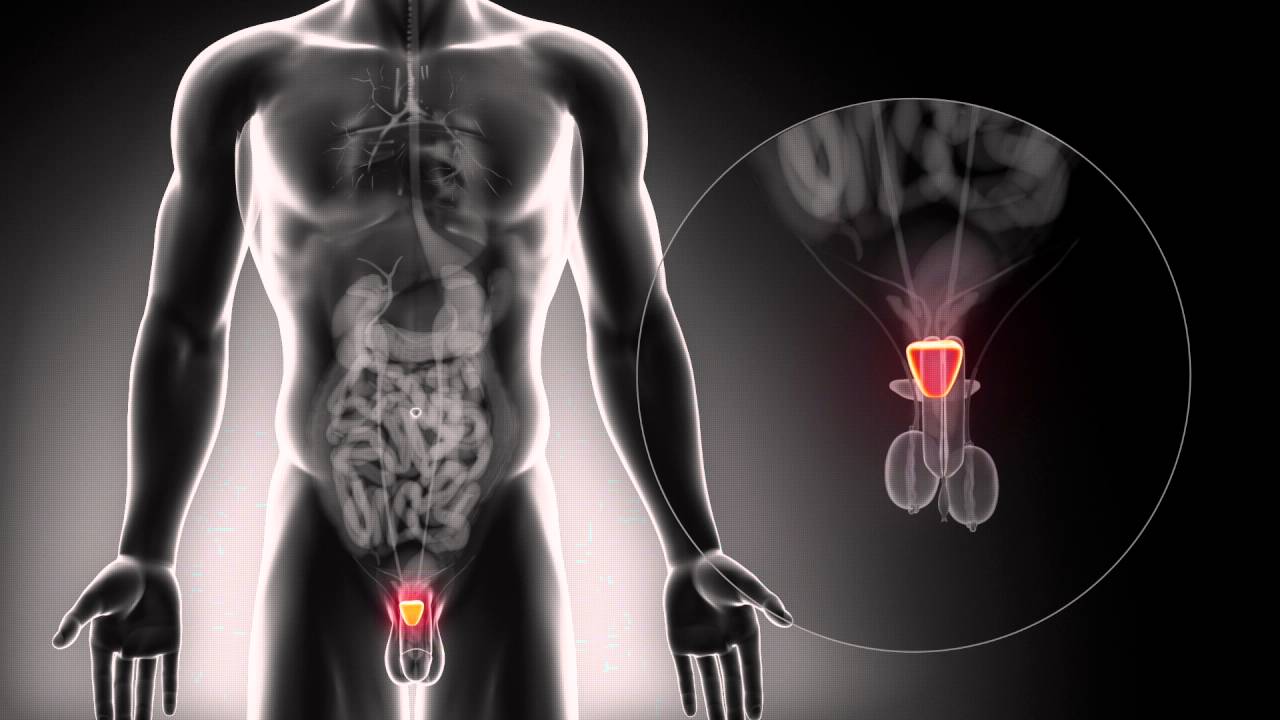
Health in the 21st Century: A Holistic Pursuit of Well-being

In today’s fast-paced world, the concept of health has evolved far beyond the mere absence of illness. It has become a multi-dimensional pursuit that encompasses physical vitality, mental clarity, emotional balance, and even spiritual fulfillment. Health is no longer a static state to be maintained, but an active journey that requires intentional choices, self-awareness, and informed decisions. As modern society grapples with both new challenges and remarkable advancements, understanding the true nature of health is more vital than ever.
Historically, health was viewed primarily through a biomedical lens. Diseases were diagnosed, symptoms treated, and bodies mended. While this approach undoubtedly saved countless lives and remains indispensable, it also overlooked the broader context in which health exists. The limitations of this model became increasingly apparent as chronic illnesses—many rooted in lifestyle and environment—rose to prominence. Diabetes, heart disease, obesity, and mental health disorders cannot be fully addressed through prescriptions alone. They demand a more nuanced, integrative response.
Today, a holistic view of health is gaining ground—one that recognizes the intricate interplay between body, mind, and environment. This perspective acknowledges that what we eat, how we move, how we think, and even whom we surround ourselves with directly influences our well-being. It challenges the reductionist notion that humans are mere collections of organs and systems. Instead, it embraces the understanding that we are complex beings shaped by habits, emotions, beliefs, and social contexts.
Nutrition, for example, is now recognized as a cornerstone of health. Gone are the days when counting calories was the primary dietary goal. The focus has shifted to nutrient density, diversity, and food quality. Whole, unprocessed foods rich in vitamins, minerals, fiber, and antioxidants are celebrated for their ability to support immune function, stabilize mood, and reduce inflammation. Simultaneously, there’s a growing awareness of the dangers posed by highly processed foods laden with added sugars, trans fats, and artificial additives—products linked to a spectrum of health issues, from metabolic disorders to cognitive decline.
Exercise, too, has transcended its traditional associations with weight loss or physical appearance. Movement is now recognized as a powerful tool for enhancing mental health, improving sleep quality, regulating hormones, and bolstering resilience. Whether through strength training, yoga, dancing, or simply walking in nature, physical activity is deeply tied to emotional and psychological well-being. Moreover, the emerging field of “movement medicine” underscores the importance of consistency and joy in cultivating a sustainable fitness routine.
Mental health, once a stigmatized topic relegated to the shadows, has finally begun to receive the attention it deserves. Anxiety, depression, burnout, and loneliness are not just individual struggles—they are public health issues with societal implications. Modern life, with its relentless pace and digital overstimulation, has made mental clarity and emotional regulation more difficult to attain. Practices such as mindfulness, meditation, therapy, and journaling are increasingly embraced not as signs of vulnerability, but as acts of strength and self-care. This shift in perception marks a cultural evolution—one that honors the inner life as much as the outer one.
Equally significant is the role of sleep in the health equation. For decades, productivity was championed at the expense of rest. Yet, science has made it abundantly clear: sleep is non-negotiable. It is during deep rest that the body repairs tissue, consolidates memories, and regulates hormones. Chronic sleep deprivation is now linked not only to fatigue and impaired judgment but to serious conditions such as cardiovascular disease, insulin resistance, and depression. As a result, prioritizing quality sleep has become a cornerstone of modern wellness strategies.
Social connection, often underestimated, plays a profound role in health. Humans are inherently social creatures, and meaningful relationships are essential for emotional and physiological well-being. Loneliness and social isolation have been likened to smoking in terms of their impact on health outcomes. Communities, friendships, and familial bonds provide not only emotional support but also practical resilience in the face of life’s inevitable challenges. They remind us that health is not just an individual endeavor but a collective one.
Amid all these shifts, technology has emerged as both a boon and a burden in the health landscape. On one hand, wearable devices, telemedicine, and personalized health apps offer unprecedented insights and convenience. On the other, screen addiction, information overload, and digital fatigue pose new threats to mental and physical health. The challenge lies in harnessing technology wisely—using it to empower and inform, rather than distract and degrade.
Moreover, access and equity remain pressing concerns. While some enjoy the privileges of organic produce, boutique fitness classes, and cutting-edge healthcare, others face systemic barriers to basic wellness. Social determinants of health—such as income, education, housing, and healthcare access—continue to shape outcomes in profound ways. True progress in health must include a commitment to bridging these gaps, ensuring that well-being is not a luxury, but a right.
Looking ahead, the future of health lies in personalization and prevention. Advances in genetics, microbiome research, and data analytics promise to revolutionize how we understand our bodies and tailor interventions. Preventative care, rather than reactive treatment, is poised to become the dominant paradigm. This proactive stance not only reduces healthcare costs but enhances quality of life—emphasizing vitality over mere survival.
In conclusion, health in the 21st century is a rich, layered concept—one that calls for balance, intentionality, and compassion. It is not about achieving perfection, but about cultivating harmony across the many dimensions of life. In an age of abundance and anxiety, of innovation and imbalance, the pursuit of health offers a grounding, guiding path. It is a daily practice, a lifelong journey, and, ultimately, the most valuable investment one can make.