
How Advanced Driver Assistance Systems are Reshaping Modern Vehicles
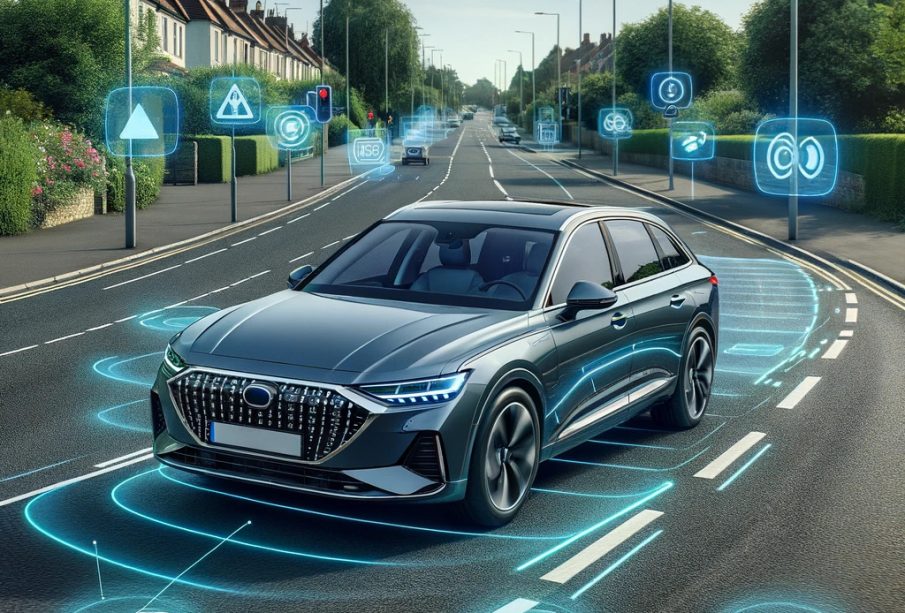
The automotive industry is undergoing one of the most significant transformations in its history. For decades, vehicle innovation focused primarily on mechanical reliability, horsepower, and structural crash safety. However, the modern era of automotive engineering is defined by software, computation, and intelligence. At the center of this revolution are Advanced Driver Assistance Systems, commonly known as ADAS. These technologies are fundamentally changing how people interact with their vehicles, transforming automobiles from purely passive machines into proactive safety partners.
What began as rudimentary features like basic cruise control and anti-lock braking systems has evolved into a highly integrated ecosystem of sensors, cameras, and artificial intelligence. Today, ADAS plays a pivotal role in reducing human error, which statistical data consistently identifies as the primary cause of traffic accidents. By examining the underlying technology, core features, consumer impacts, and the future trajectory of these systems, we can understand exactly how ADAS is reshaping the automotive landscape.
The Core Technology Powering ADAS
To understand how ADAS influences modern driving, one must first explore the complex sensory hardware and computing architecture embedded beneath the vehicle skin. These systems rely on a concept known as sensor fusion, where data from multiple inputs is combined to create a highly accurate, real-time 3D model of the surrounding environment.
Cameras and Optical Sensors
High-resolution cameras are usually mounted behind the rearview mirror, on the front grille, and underneath the side mirrors. These optical units act as the eyes of the vehicle. They are uniquely capable of reading text and identifying shapes, which allows the car to recognize speed limit signs, spot lane markings, and distinguish between a pedestrian, a bicyclist, or another vehicle.
Radar Systems
Radio Detection and Ranging, or radar, uses radio waves to determine the distance, angle, and velocity of objects. Typically placed in the front bumper and rear corners, radar functions exceptionally well in poor weather conditions. Unlike optical cameras, radar is unaffected by heavy rain, thick fog, or blinding sunlight, making it an indispensable asset for tracking the speed of vehicles ahead.
Lidar Technology
Light Detection and Ranging, or lidar, emits rapid pulses of laser light to measure distances with millimeter precision. While historically expensive and visually bulky, modern solid-state lidar units are becoming sleek and affordable. Lidar generates highly detailed point clouds of the environment, providing the central processing unit with an exact spatial understanding of surrounding obstacles.
Ultrasonic Sensors and Central Computing
Ultrasonic sensors use sound waves at high frequencies to detect close-range objects. These are the small, circular dots found on front and rear bumpers used primarily for parking maneuvers. All data gathered by these various hardware elements is instantly routed to a central electronic control unit. Powered by sophisticated algorithms, this central hub processes gigabytes of data per second to make split-second decisions, such as applying the brakes or nudging the steering wheel.
Key Features Redefining the Driving Experience
The practical application of ADAS manifests in features that either alert the driver to hidden dangers or actively intervene to prevent collisions. These features are generally categorized into passive warning systems and active intervention systems.
Collision Mitigation and Braking
Automatic Emergency Braking, often abbreviated as AEB, is arguably the most critical safety advancement since the seatbelt. The system constantly monitors the road ahead. If it detects an impending collision with a stopped car or a pedestrian, it first provides visual and audible alerts. If the driver fails to react in time, the system automatically applies maximum braking pressure to avoid or minimize the severity of the impact.
Lane Discipline and Steering Assist
Maintaining lane integrity is another area where ADAS has made immense strides. Lane Departure Warning systems monitor painted road lines and vibrate the steering wheel or sound a chime if the vehicle begins to drift without a turn signal. More advanced systems, known as Lane Keeping Assist or Lane Centering Assist, go a step further by applying gentle, automated steering inputs to keep the vehicle safely centered within its designated lane.
Adaptive Speed Regulation
Traditional cruise control required drivers to constantly engage and disengage the system as highway traffic fluctuated. Adaptive Cruise Control solves this friction point. By utilizing forward-facing radar, the vehicle maintains a set speed but automatically slows down or accelerates to match the pace of the vehicle directly ahead. Many modern iterations include stop-and-go functionality, allowing the car to come to a complete halt in heavy traffic and resume driving automatically when the queue moves.
The Classification of Vehicle Automation
To provide a standardized framework for these technological advancements, the Society of Automotive Engineers established six distinct levels of driving automation. Understanding these levels helps clarify where current ADAS technology stands and how far it needs to go to achieve full autonomy.
-
Level 0 (No Automation): The driver is completely responsible for all steering, braking, and acceleration. The vehicle may offer basic warnings, like a blind-spot chime, but cannot take physical action.
-
Level 1 (Driver Assistance): The vehicle can assist with either steering or acceleration/braking, but not both simultaneously. Examples include standard Adaptive Cruise Control.
-
Level 2 (Partial Automation): The vehicle can control both steering and acceleration at the same time under specific conditions. Systems like highway pilot assist fall here. The driver must maintain full attention and keep their hands on or near the wheel.
-
Level 3 (Conditional Automation): The vehicle can completely manage all aspects of driving under specific environmental conditions. The driver can safely divert their attention but must be ready to take back control immediately when prompted by the system.
-
Level 4 (High Automation): The car is capable of driving entirely on its own within designated geographical boundaries or specific weather constraints. A steering wheel and pedals are still present, but driver intervention is rarely required.
-
Level 5 (Full Automation): True driverless operation. The vehicle can navigate any road, in any weather condition, anywhere on Earth, without any human interaction whatsoever.
The vast majority of modern consumer vehicles equipped with advanced ADAS operate at Level 2. While these systems dramatically reduce driving fatigue on long road trips, they are convenience and safety features rather than replacements for a fully engaged human operator.
Challenges, Calibration, and the Path Forward
Despite the immense safety benefits, the widespread adoption of ADAS brings new challenges that the automotive repair and insurance industries are actively navigating. Because these systems rely on precise geometric alignments, even minor incidents can disrupt their effectiveness.
A simple fender bender, a windshield replacement, or even a suspension modification can misalign a front-facing camera or radar unit by a fraction of a degree. A camera angled just one millimeter out of place can miscalculate a lane boundary or a stopping distance by several feet down the road. Consequently, specialized calibration processes are now mandatory after standard vehicle repairs, driving up maintenance costs for vehicle owners.
Furthermore, inclement weather remains a hurdle. Heavy snow accumulation can block bumper sensors, and mud can obscure camera lenses, temporarily disabling certain features. As manufacturers transition from Level 2 to Level 3 and Level 4 systems, engineers are implementing redundant sensor arrays and self-cleaning lens mechanisms to ensure operational reliability in all environments.
Frequently Asked Questions
Can ADAS completely replace the need for an alert driver?
No. Current consumer ADAS technologies are categorized as Level 1 or Level 2 automation. This means they are designed to assist the driver, not replace them. The driver remains legally and operationally responsible for the vehicle at all times and must be prepared to take immediate control if the system encounters an environment it cannot navigate.
What is the difference between active and passive ADAS?
Passive ADAS features only provide warnings to alert the driver of potential danger through sounds, visual icons on the dashboard, or haptic vibrations in the steering wheel or seat. Active ADAS features take physical control of the vehicle’s mechanical systems, such as applying the brakes, adjusting the throttle, or altering the steering path to actively avoid an accident.
Why do ADAS features sometimes turn off automatically during heavy rain or snow?
ADAS relies heavily on optical cameras and radar to read the road. Extreme weather conditions like heavy downpours, thick fog, or blowing snow can obstruct the vision of cameras or scatter radar signals. When the system recognizes that its sensor data is compromised or unreliable, it will safely deactivate itself and alert the driver to take full manual control.
Do vehicles with ADAS cost more to repair after an accident?
Yes, vehicles equipped with ADAS generally carry higher repair costs. Sensors, cameras, and radar units are often located in vulnerable areas like the front bumper, grille, and side mirrors. Replacing these components is expensive, and they require specialized digital calibration using precision targets and diagnostic software to ensure they function accurately after installation.
Does a driver need special training to operate a vehicle with ADAS?
While a special license is not required, drivers should thoroughly review their vehicle owner’s manual to understand the specific capabilities and limitations of their system. Every auto manufacturer programs their assistance features differently, and knowing how the vehicle responds to lane drift, traffic slowdowns, or blind spots prevents dangerous surprises on the road.
Will aftermarket ADAS kits provide the same safety as factory-installed systems?
Aftermarket kits, such as dash cams with lane warning software, can provide helpful passive alerts like audible warnings. However, they cannot replicate the comprehensive safety of factory-installed systems. Factory ADAS is deeply integrated into the vehicle’s internal computer network, allowing it to communicate directly with the brakes, steering column, and powertrain to perform life-saving physical interventions.
How does tire wear or changing tire sizes affect ADAS functionality?
Tire wear, improper inflation, or installing a tire size that deviates from the factory specifications can alter the ride height and overall geometry of the vehicle. Because ADAS sensors are calibrated based on exact factory measurements, changes in vehicle pitch or height can distort the field of view for cameras and radar, potentially leading to delayed or inaccurate system interventions.