The Evolution of the Automobile: More Than Just a Machine

The automobile, affectionately referred to as the “car,” is more than a conveyance; it is a cultural symbol, an economic engine, and a technological marvel. Since its invention in the late 19th century, the automobile has continuously reshaped the way people live, work, and move through the world. From the sputtering early prototypes of Karl Benz and Henry Ford’s mass-produced Model T to the sleek electric vehicles (EVs) of today, the automobile has traveled a long and winding road—one that mirrors the evolution of modern society itself.
At its core, the automobile represents the triumph of innovation over limitation. Before cars, human mobility was largely bound by geography and the stamina of horses. The advent of the internal combustion engine changed all of that, unlocking personal freedom on an unprecedented scale. Suddenly, people could commute further, explore more freely, and access opportunities previously out of reach. Rural isolation diminished, cities expanded, and economies flourished. This newfound freedom catalyzed shifts not only in infrastructure—such as the construction of roadways and highways—but also in human behavior and societal norms.
The 20th century marked the automobile’s golden era. Ford’s assembly line revolutionized manufacturing and democratized car ownership. No longer a luxury reserved for the elite, cars became a middle-class staple. Post-war prosperity in the West fueled a love affair with automobiles, particularly in America, where car culture embedded itself deeply into the national psyche. Drive-in theaters, muscle cars, road trips on Route 66—these were not mere trends; they were reflections of a society that had fallen in love with the promise of the open road.
However, this romantic narrative came with caveats. Environmental degradation, urban sprawl, and a growing dependency on fossil fuels began to temper the enthusiasm. By the latter half of the century, smog-cloaked cities and oil crises forced a re-evaluation of the automobile’s role. Car manufacturers, once focused solely on power and performance, had to pivot toward efficiency and sustainability. Regulations grew stricter. Consumers became more discerning. The gas-guzzling bravado of the past gave way to a more conscientious design ethos.
In recent decades, the automobile industry has found itself at yet another crossroads—one defined by technology and environmental urgency. Electric vehicles have surged from niche curiosities to mainstream contenders. Companies like Tesla have proven that EVs can be both high-performing and desirable, sparking a renaissance in automotive innovation. Legacy manufacturers—Toyota, Ford, General Motors, BMW—have responded in kind, pledging substantial investments into electrification and retooling their fleets for a cleaner future.
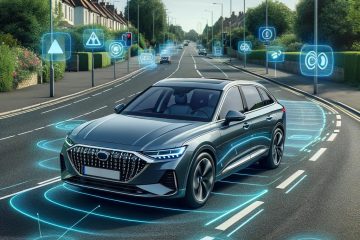
Yet electrification is only one aspect of the transformation. Cars are becoming smarter, not just cleaner. Advanced driver-assistance systems (ADAS), once the realm of science fiction, are now standard in many models. From adaptive cruise control to automatic emergency braking, these features are enhancing safety and reshaping driver expectations. The prospect of fully autonomous vehicles looms closer each year, prompting both excitement and trepidation. Questions of liability, ethics, and urban planning will need to be addressed as artificial intelligence increasingly takes the wheel.
Connectivity, too, is redefining what it means to own and operate a car. The modern automobile is a rolling computer—capable of real-time diagnostics, over-the-air software updates, and seamless integration with smartphones and home devices. In-car entertainment, navigation, and climate control systems have become as advanced as those found in luxury apartments. Vehicles are no longer mere transportation tools; they are personalized digital spaces.
Despite these technological strides, the human relationship with the automobile remains deeply emotional. A car can signify independence, status, nostalgia, or even rebellion. For many, their first vehicle represents a rite of passage, a tangible symbol of adulthood and self-reliance. Classic car shows and restoration projects continue to draw enthusiasts who see value not only in aesthetics and engineering but in heritage and storytelling. The automobile, then, is not just a product of its era—it is a keeper of memories, a vessel for human aspiration.
That said, the road ahead is not without its challenges. Urban congestion, climate change, and resource scarcity are pressing issues that the automotive industry cannot ignore. Solutions may include shared mobility models, improved public transit integration, and innovative materials that reduce carbon footprints. Governments and private enterprises alike must collaborate to ensure that the evolution of the automobile aligns with broader societal and environmental goals.
Moreover, equity must remain at the forefront of future developments. While EVs and smart cars promise great benefits, their cost and infrastructure requirements can widen existing social divides. Addressing this disparity—through incentives, education, and inclusive design—will be essential in building a truly sustainable and equitable transportation ecosystem.
In conclusion, the story of the automobile is one of continuous reinvention. From its humble beginnings as a mechanical novelty to its current status as a symbol of advanced technology and sustainability, the car has proven its resilience and adaptability. As we stand on the cusp of a new automotive era—defined by electric power, digital intelligence, and environmental consciousness—we are reminded that the true essence of the automobile lies not in horsepower or design, but in its ability to reflect and respond to the evolving human experience.